
Cruise Blog
Subscribe to our Blog
Burying the Hatchet
Hello everyone,
My name is Paolo Soto and I’m a master’s student in Dr. Tracey Suttons Oceanic Ecology Lab at Nova Southeastern University. This is my first cruise with the DEEPEND consortium and my first time at sea! It has been a great time thus far, getting rocked to sleep by the ship while listening to dolphin calls has been pretty awesome. Today I will be telling you about the group I am studying for my thesis, the Marine Hatchetfishes (Sternoptychidae)!
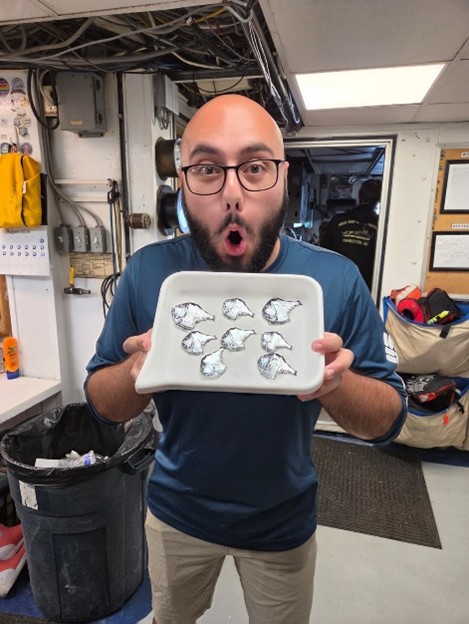
Figure 1 - A big catch of Argyropelecus aculeatus! (Photo: H. Judkins)
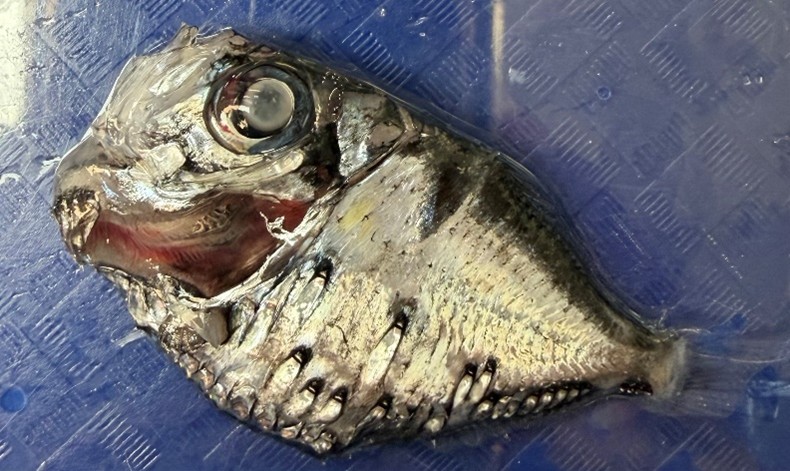
Figure 2 - A DEEPEND trophy catch! This Polyipnus clarus measured at 42mm (1.65in), the biggest example of its species in our collection. (Photo: P. Soto)
Hatchetfishes are one of the more iconic deep sea fish species, I’m sure some of you have seen them in great documentaries such as the original Blue Planet! These axe-shaped fish present a super thin profile when viewed from below or above in the water column, helping them hide from predators. The hatchetfish also has another trick up its sleeve, counter-illumination! On its bottom, the fish is covered with photophores which bioluminescence at the same intensity as the light coming in from above. This makes the hatchet effectively invisible from below!
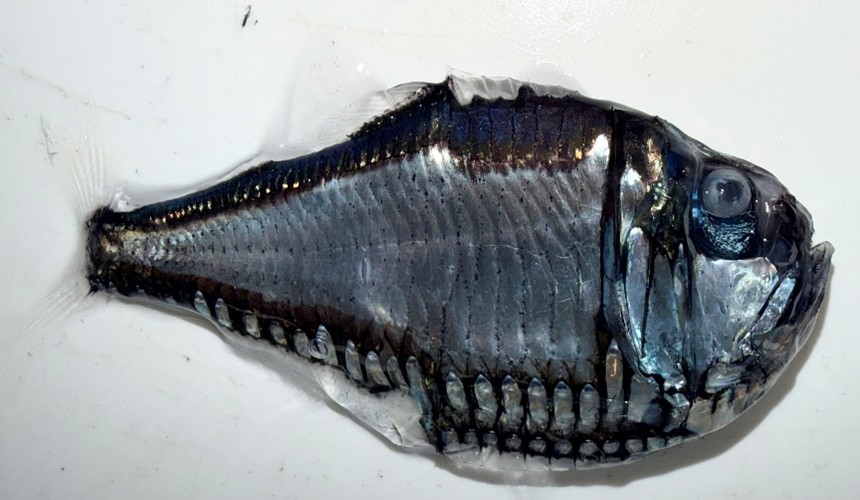
Figure 3 - An awesome picture of Argyropelecus gigas, if you look at the bottom you can see the oval shaped photophores! (Photo: P. Soto)
Another cool fact about this family of fishes is that several scientific publications have found that hatchetfishes have partitioned the water column in terms of food and habitat resources (Hopkins et al. 1985, Howell et al. 1987, Kinzer et al. 1988, Eduardo et al. 2020). What this means is that individual species of Hatchetfish have preferred prey items and a preferred depth zone that is fairly unique to the individual species. It is likely this behavior has developed over millions of years to reduce competition between themselves within their own family Sternoptychidae.
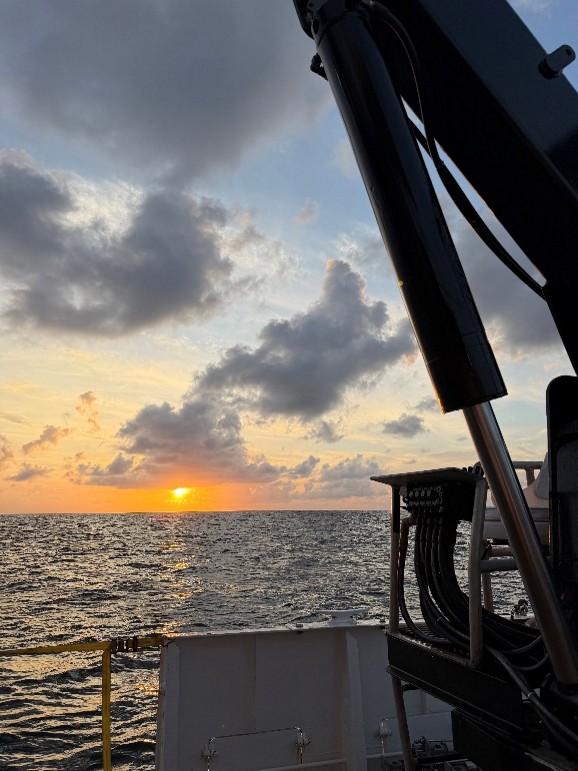
Figure 4 - One of many beautiful sunsets on the Point Sur. (Photo: P. Soto)
Thank you for tuning in to our blog and I hope you’ve enjoyed learning about the marine Hatchetfish!
-Paolo Soto

- 8000 N Ocean Drive
- Dania Beach, FL 33311
- 954-262-3600
- admin@deependconsortium.org